Buying a CNC router isn’t the hard part anymore.
Keeping it running accurately, efficiently, and profitably over the next 3–5 years… that’s where the real difference is.
Most machines look good on day one. But reliability isn’t about first cuts, it’s about consistent performance over time.
Here’s what actually matters 👇
Build Quality: Where Reliability Starts
You’ll see a lot of machines described as “heavy duty”—but that doesn’t always mean much.
What really matters:
- Rigid steel frame (not lightweight fabrication)
- Strong gantry construction
- Properly stress-relieved structure
Why? Because:
- Vibration = loss of accuracy
- Flex = poor finish quality
- Weak frames wear faster
A solid machine holds tolerance longer, produces cleaner cuts, and simply lasts.
Motion System: The Hidden Difference
This is where cheaper machines quietly fall short.
Key differences:
- Stepper motors → cheaper, less accurate over time
- Hybrid servo systems → smoother, faster, more consistent
- Full servo systems → best for long-term accuracy and production
The issue isn’t day one—it’s month 12, 24, 36…
That’s when you start to see:
- Positioning errors
- Inconsistent finishes
- Slower production speeds
Components That Actually Matter
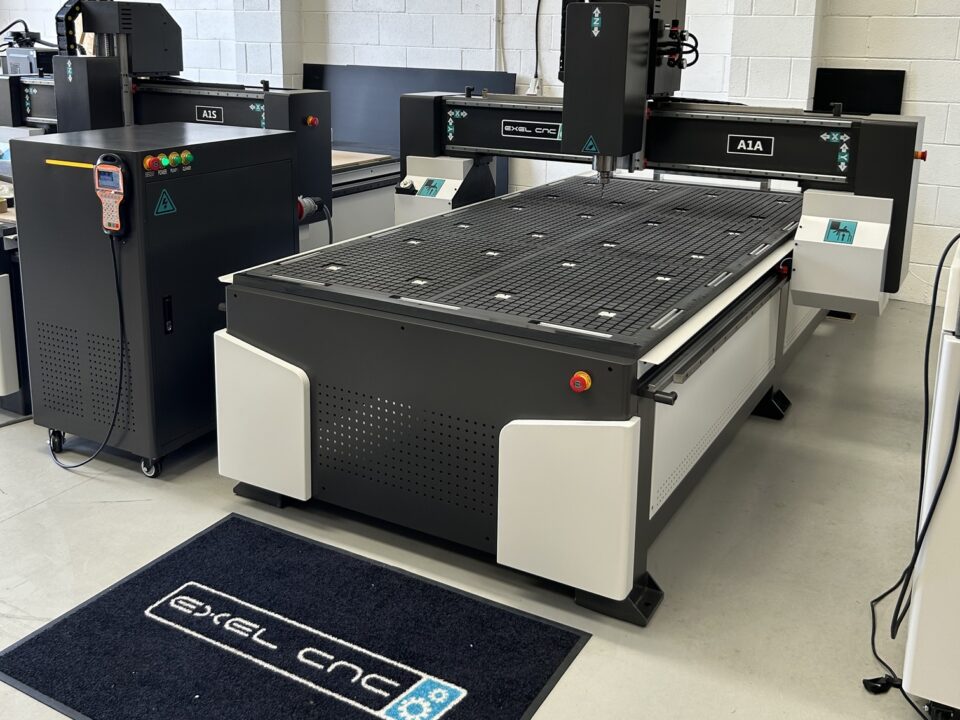
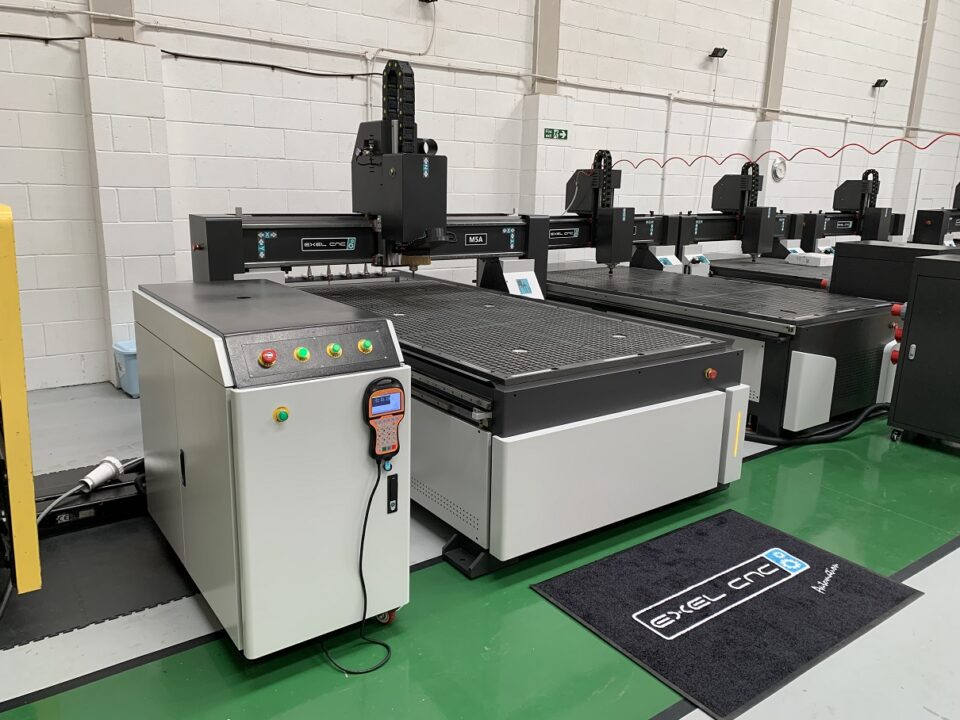
A CNC router is only as good as the parts inside it.
The important ones:
- Spindle quality
- Inverter (e.g. Delta systems)
- Linear rails & bearings
- Rack & pinion / ballscrews
Lower-spec components wear faster, drift out of tolerance, and ultimately cost more in downtime.
The Biggest Factor: Maintenance & Servicing
This is where most machines fail—not because they’re bad, but because they’re not maintained.
If a CNC isn’t serviced regularly, you’ll start to see:
- Loss of accuracy
- Poor cut quality
- Increased vibration
- Premature component wear
- Unexpected downtime
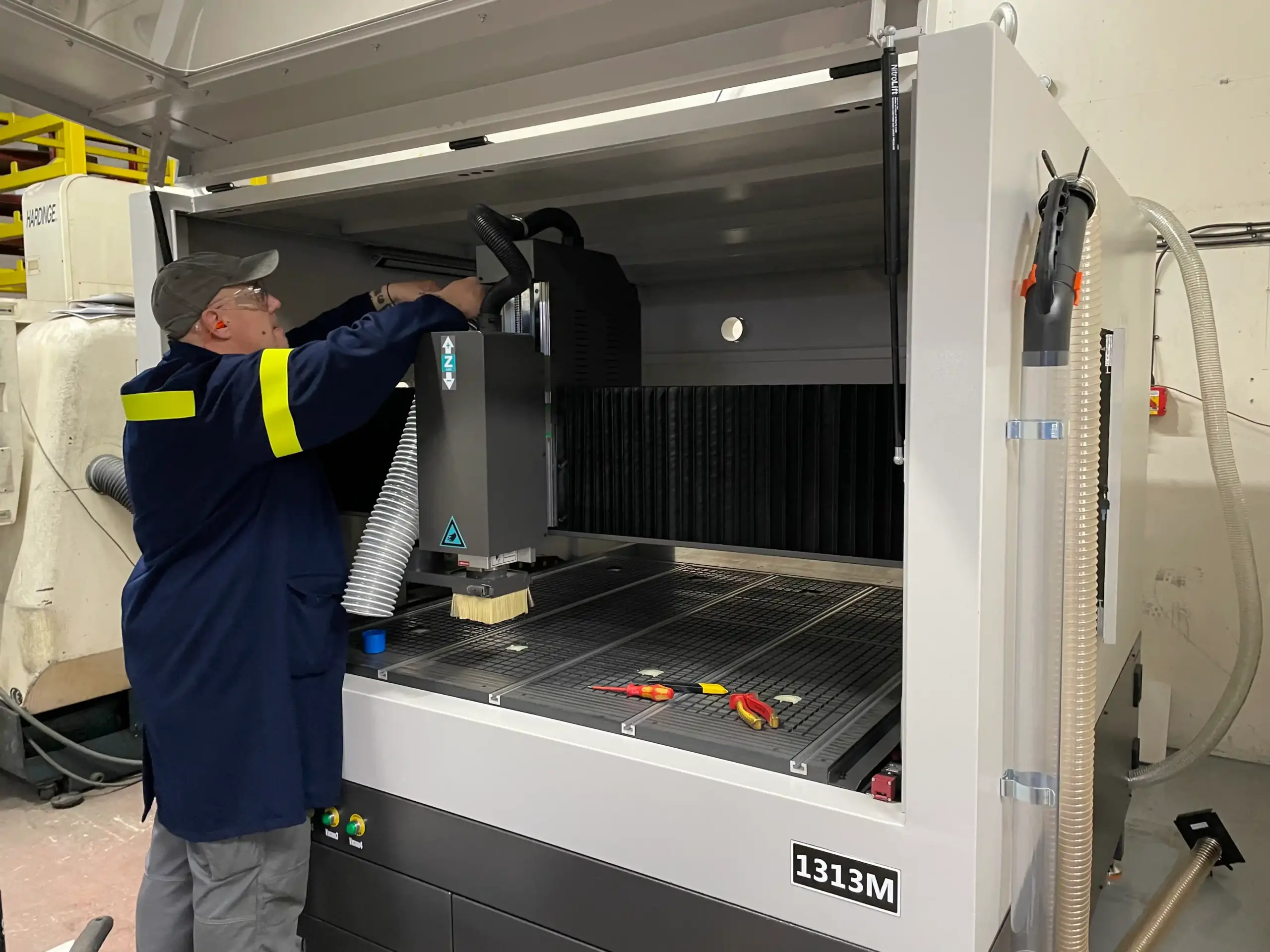
We regularly service machines that are 4–5+ years old and still running strong—because they’ve been looked after properly.
What Most Suppliers Don’t Tell You
A lot of machines are sold as just that… a machine.
But to keep a CNC performing at its best, you need more than hardware:
- Proper installation
- Correct setup
- Training
- Ongoing support
- Servicing
Without that, even a good machine will struggle long-term.
Ongoing Support (This Is Where It Really Matters)
This is something massively overlooked when buying a CNC.
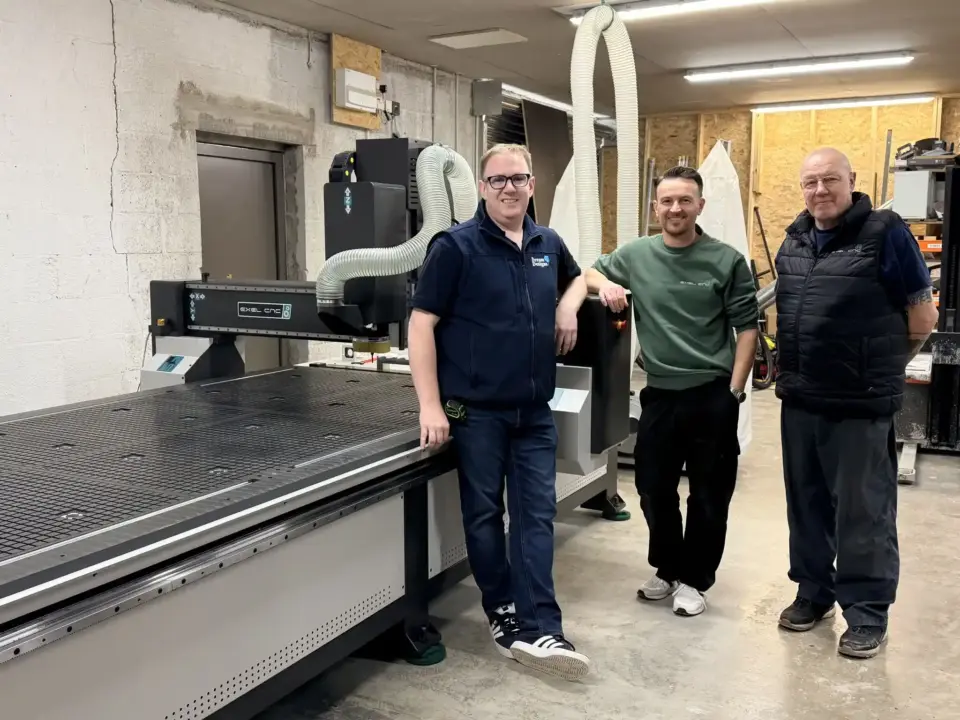
With us, support doesn’t stop after installation.
👉 We offer ongoing support via WhatsApp, 24/7
- Got a question? Message us
- Something not quite right? Send a video
- Need quick advice on a job? We’ll help
There’s:
- No charge
- No hidden fees
- No “support packages”
Just message us—we’ll get back to you.
Because at the end of the day, we want to make sure you’re getting the absolute best from your machine.
What to Look for When Buying a CNC Router
Before you commit, ask:
- Is everything included, or are there hidden extras?
- Do I get installation and training?
- What happens if something goes wrong?
- Is support actually available when I need it?
- Can I get the machine serviced long-term?
Reliability = Cost Over Time
A cheaper machine might save money upfront…
But if it:
- Breaks down
- Loses accuracy
- Slows production
- Needs constant fixing
…it quickly becomes the more expensive option.
A reliable CNC router pays for itself through:
- Consistent output
- Better finish quality
- Reduced downtime
- Longer lifespan
Final Thoughts
Anyone can sell you a CNC machine.
But not everyone makes sure it’s still performing years down the line.
Reliability isn’t just about the machine—it’s about:
- The specification
- The setup
- The support behind it
👉 If you’re still deciding, check out our guide on choosing the right CNC router
👉 Or explore our range of machines to see what’s included as standard
If you’ve got any questions at all, just drop us a message.